(303) 753-0922 EXT 6


SERVING DENVER AND SURROUNDING AREAS
BLOG
SERVING DENVER AND SURROUNDING AREAS
BLOG
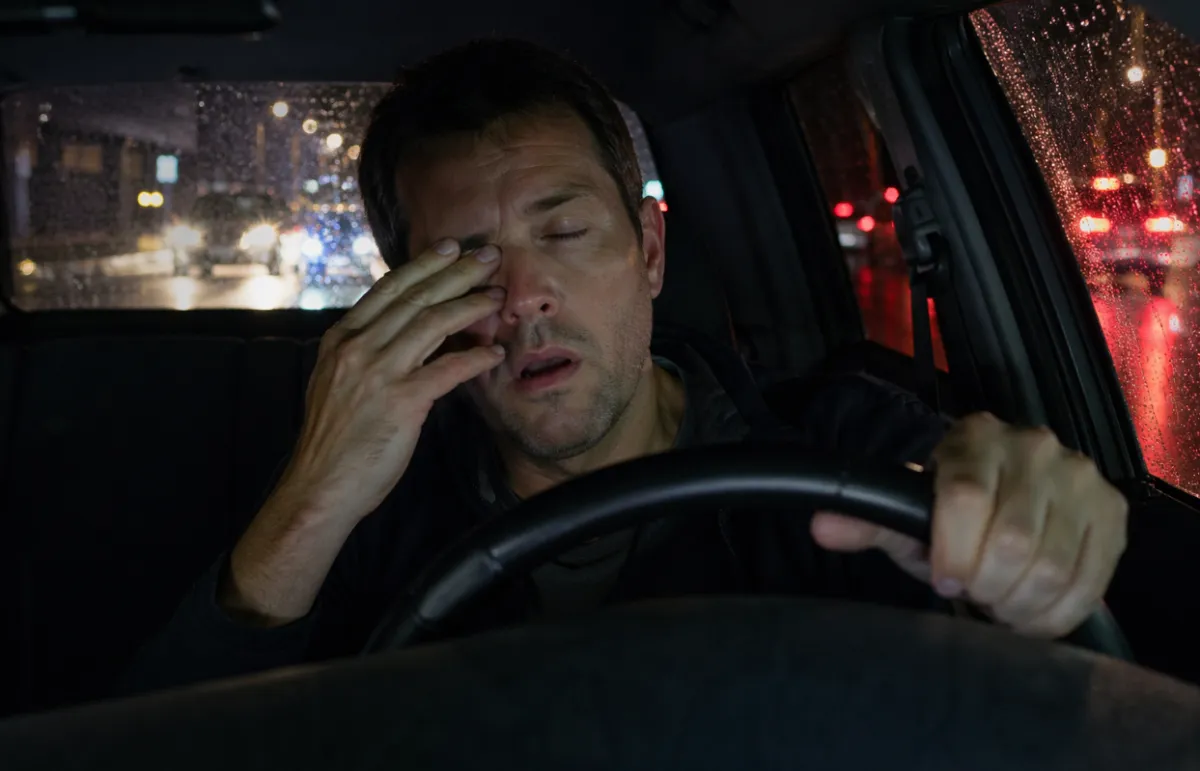
Sleep Apnea and Driving Risk in Denver, Colorado: How Drowsy Driving Increases Car Accidents
Most people think of distracted driving as texting or using a GPS.
But one of the most dangerous risks on the road—especially in Denver, Colorado—is something far less obvious.
Driving while exhausted.
If you have untreated sleep apnea, your ability to stay alert behind the wheel may be compromised every single day. In a busy city like Denver, with heavy traffic, changing weather conditions, and long commutes, that risk becomes even more serious.
What Is Sleep Apnea and How Does It Affect Driving Safety in Denver, Colorado?
Sleep apnea is a condition where your airway repeatedly becomes blocked during sleep. These interruptions can occur dozens or even hundreds of times per night, preventing your body from reaching deep, restorative sleep.
The result:
Poor sleep quality
Reduced oxygen levels
Ongoing fatigue, even after a full night in bed
Even if you think you’re getting enough sleep, your body may not be getting the quality sleep it needs to function safely—especially when driving through Denver’s busy roadways.
How Sleep Apnea Increases the Risk of Drowsy Driving Accidents in Denver, Colorado
Driving requires focus, quick reaction time, and clear decision-making.
Sleep apnea directly interferes with all three.
When your body is sleep-deprived, you may experience:
Slower reaction times
Difficulty maintaining focus
Impaired judgment
Trouble staying in your lane
Increased risk of “micro-sleeps” (brief moments of falling asleep without realizing it)
In Denver, Colorado, where drivers frequently navigate highways like I-25 and I-70, as well as unpredictable weather conditions, even a momentary lapse in attention can lead to serious accidents.
Drowsy driving caused by sleep apnea has been shown to impair performance in ways similar to alcohol—making it a hidden but very real danger on the road.
Common Signs of Sleep Apnea That Can Affect Your Driving
Many people in Denver, Colorado are living with sleep apnea and don’t even realize it.
Common warning signs include:
Loud or chronic snoring
Waking up gasping or choking
Frequent nighttime awakenings
Morning headaches
Dry mouth upon waking
Daytime fatigue or sleepiness
Difficulty concentrating
If you find yourself struggling to stay alert during your commute or feeling fatigued throughout the day, these symptoms should not be ignored.
Why Drowsy Driving from Sleep Apnea Is So Dangerous
It’s easy to assume that fatigue can be managed with coffee or by “pushing through.”
But drowsy driving is not just about feeling tired—it’s a physiological impairment.
Sleep deprivation affects:
Reaction time
Awareness
Decision-making
Coordination
In a city like Denver, Colorado—where traffic congestion, construction zones, and long driving distances are common—these impairments can significantly increase your risk of an accident.
How to Reduce Your Risk of Sleep Apnea-Related Driving Accidents
The good news is that sleep apnea is highly treatable.
Addressing the root cause of your fatigue can dramatically improve both your quality of life and your safety on the road.
Treatment options include:
CPAP therapy
Oral appliance therapy (a comfortable, custom-fitted device that keeps your airway open)
Lifestyle changes such as weight management and reducing alcohol intake
For many patients, oral appliance therapy offers a simple and comfortable alternative to CPAP, making it easier to stay consistent with treatment.
The most important step is getting properly evaluated so you can find the right solution for your needs.
Sleep Apnea Treatment in Denver, Colorado: Take the First Step Toward Safer Driving
If you suspect sleep apnea, don’t ignore the signs.
Better sleep doesn’t just mean more energy—it means better focus, improved health, and safer driving.
At Sleep Better Breathe Better Denver, Dr. Teresa Lowery and her team provide personalized evaluations and treatment options designed to help you breathe better, sleep better, and live better.
Call to schedule your complimentary sleep consultation.
Dr. Teresa Lowery
Sleep Better Breathe Better Denver
📍425 S. Cherry St, Suite #210
Denver, CO 80246
📞 Call us today: (303) 753-0922
🌐 www.SleepBetterBreatheBetterDenver.com